
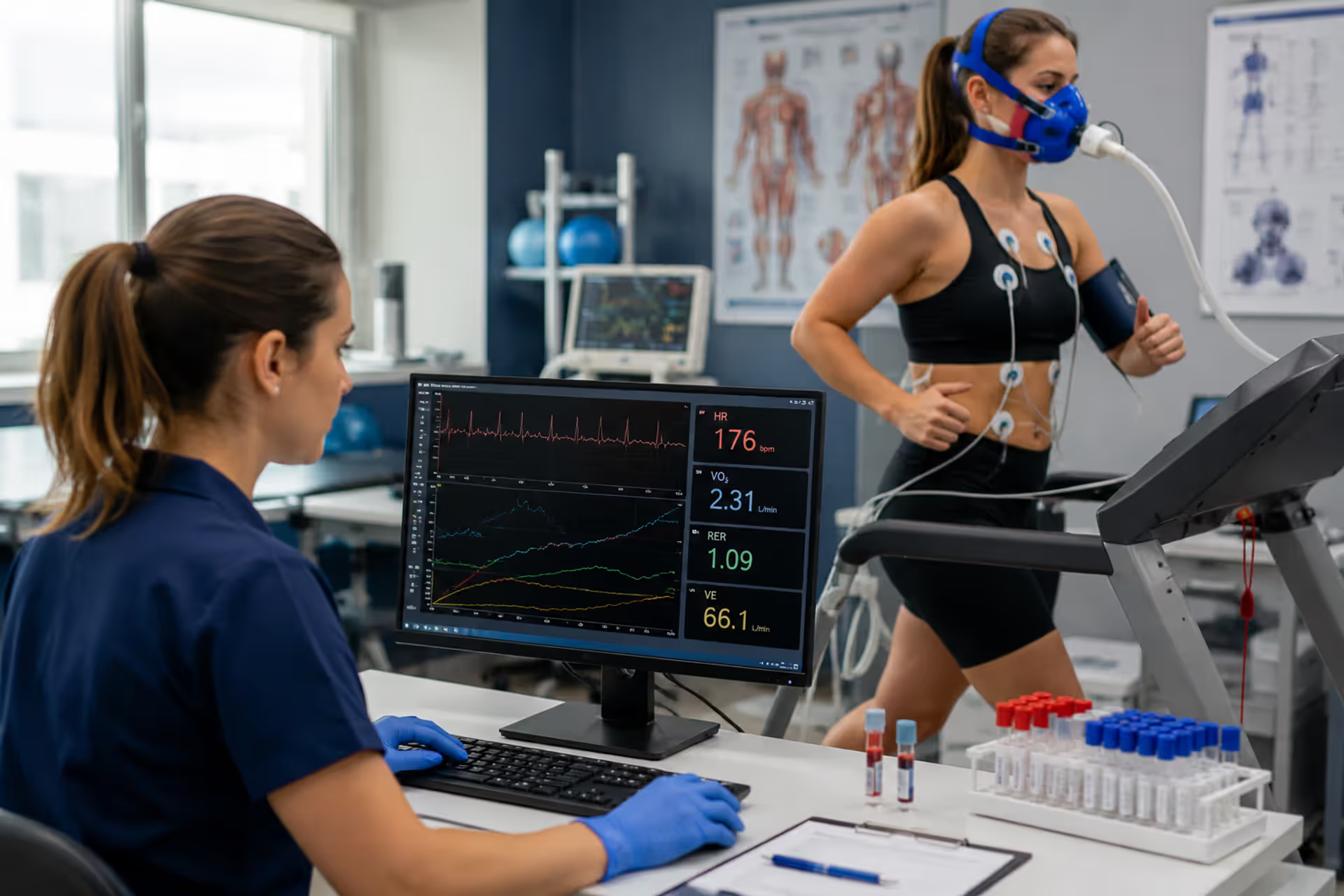
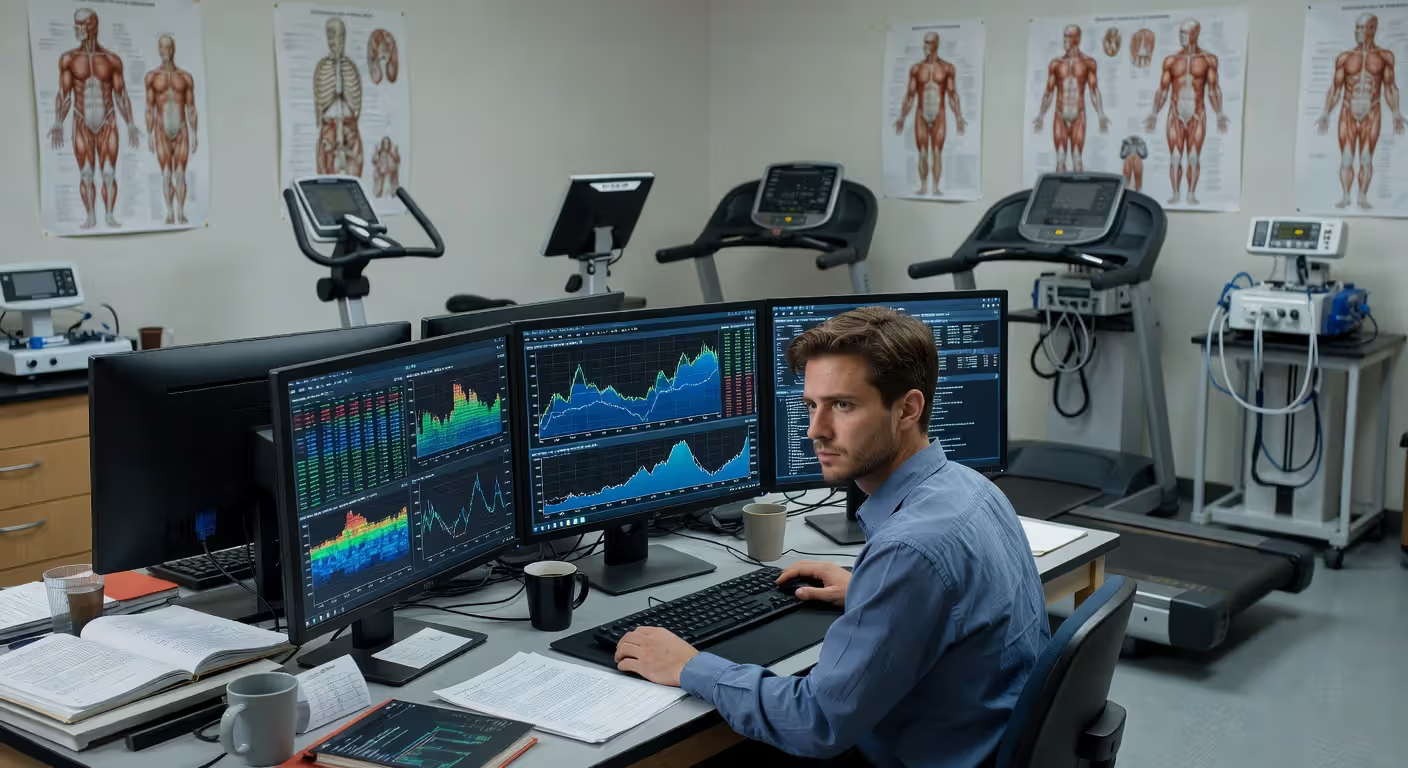
Exercise Physiologist Conducting Advanced Cardiovascular and Metabolic Performance Testing in a Modern Human Performance Laboratory
What Is Exercise Physiology?

If you've ever wondered how the human body adapts to a morning run, recovers from surgery, or builds strength over time, you're thinking about exercise physiology. It's the science behind movement, performance, and rehabilitation—and it's one of the most versatile health-related degrees you can pursue. Whether you're drawn to clinical settings, athletic performance, or research, an exercise physiology degree opens doors across healthcare, fitness, and wellness industries. But it's not the same as kinesiology or exercise science, and knowing the difference matters when you're choosing a major.
What Exercise Physiology Studies and Why It Matters
Exercise physiology is the study of how the body responds and adapts to physical activity. It examines everything from cellular metabolism during a sprint to cardiovascular changes during cardiac rehab. The field bridges biology, chemistry, and practical application, focusing on acute responses (what happens during exercise) and chronic adaptations (how the body changes over time with training).
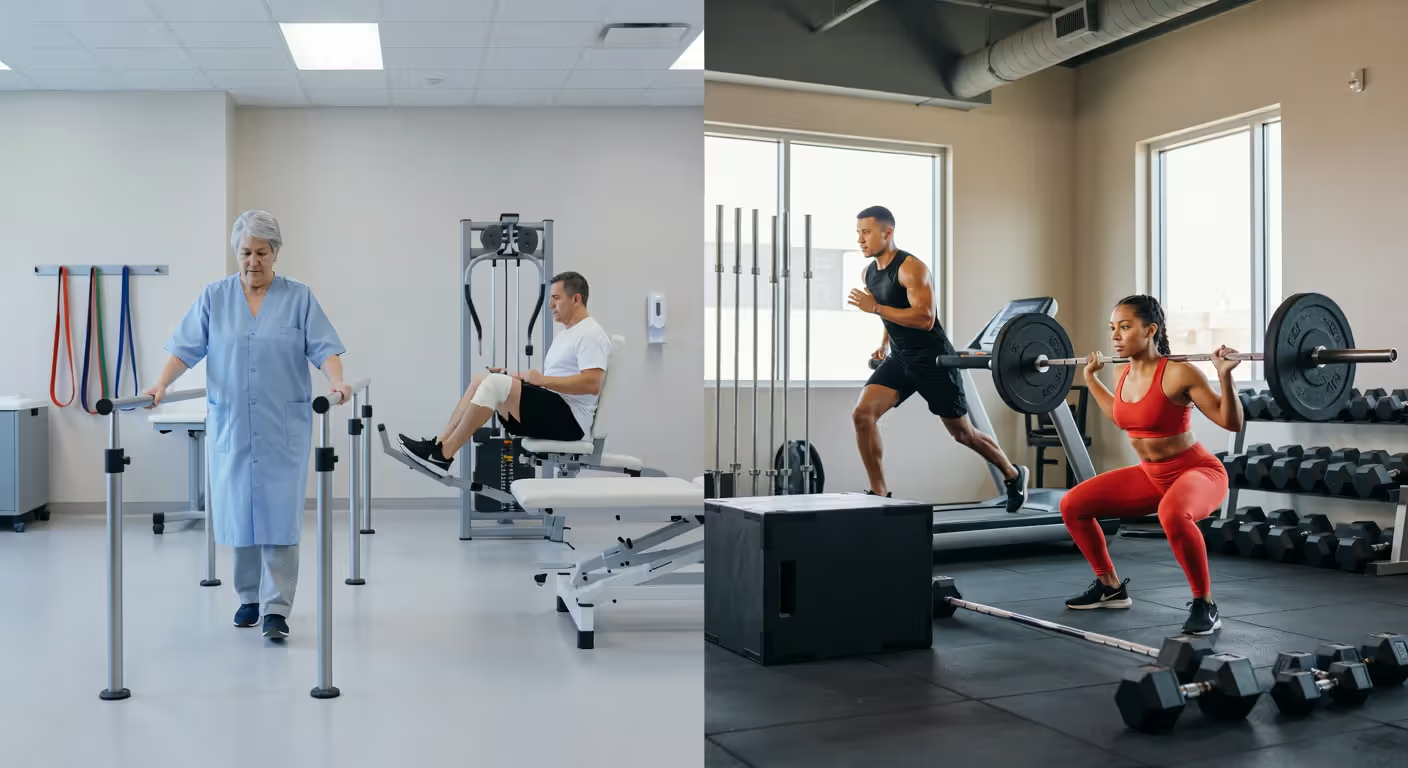
The discipline splits into two main branches. Clinical exercise physiology applies this science to patient populations—people recovering from heart attacks, managing diabetes, or living with chronic lung disease. Performance exercise physiology, on the other hand, works with athletes and active individuals to optimize training, prevent injury, and improve outcomes.
Why does this matter? Because exercise is medicine. Research consistently shows that structured physical activity prevents disease, manages chronic conditions, and improves quality of life. Exercise physiologists translate that research into real-world interventions, whether they're designing a rehab protocol for a stroke survivor or programming periodized training for a collegiate athlete.
The scope is broader than most people realize. You'll study energy systems, muscle physiology, endocrinology, biomechanics, nutrition, and behavior change. You'll learn to conduct metabolic testing, interpret ECGs, prescribe exercise for special populations, and analyze movement patterns. The coursework is science-heavy, but it's applied science—you're not just memorizing pathways, you're using them to solve problems.
Author: Ethan Whitlock;
Source: whitmuircommunityfarm.org
Exercise Physiology Degree Requirements and Coursework
Most exercise physiology programs are four-year bachelor's degrees, though some schools offer it as a concentration within a broader exercise science degree. Either way, expect a rigorous curriculum that blends classroom theory with hands-on lab work.
Core prerequisites typically include general biology, anatomy and physiology (often two semesters), general chemistry, physics, and statistics. Some programs also require organic chemistry or biochemistry, especially if they're designed as pre-professional tracks for medical or graduate school.
Once you're into the major, you'll take courses like:
- Exercise physiology (often multiple levels, from foundational to advanced)
- Biomechanics and motor control
- Exercise testing and prescription
- Clinical exercise physiology
- Nutrition for health and performance
- Research methods and statistics
- Pathophysiology or exercise and chronic disease
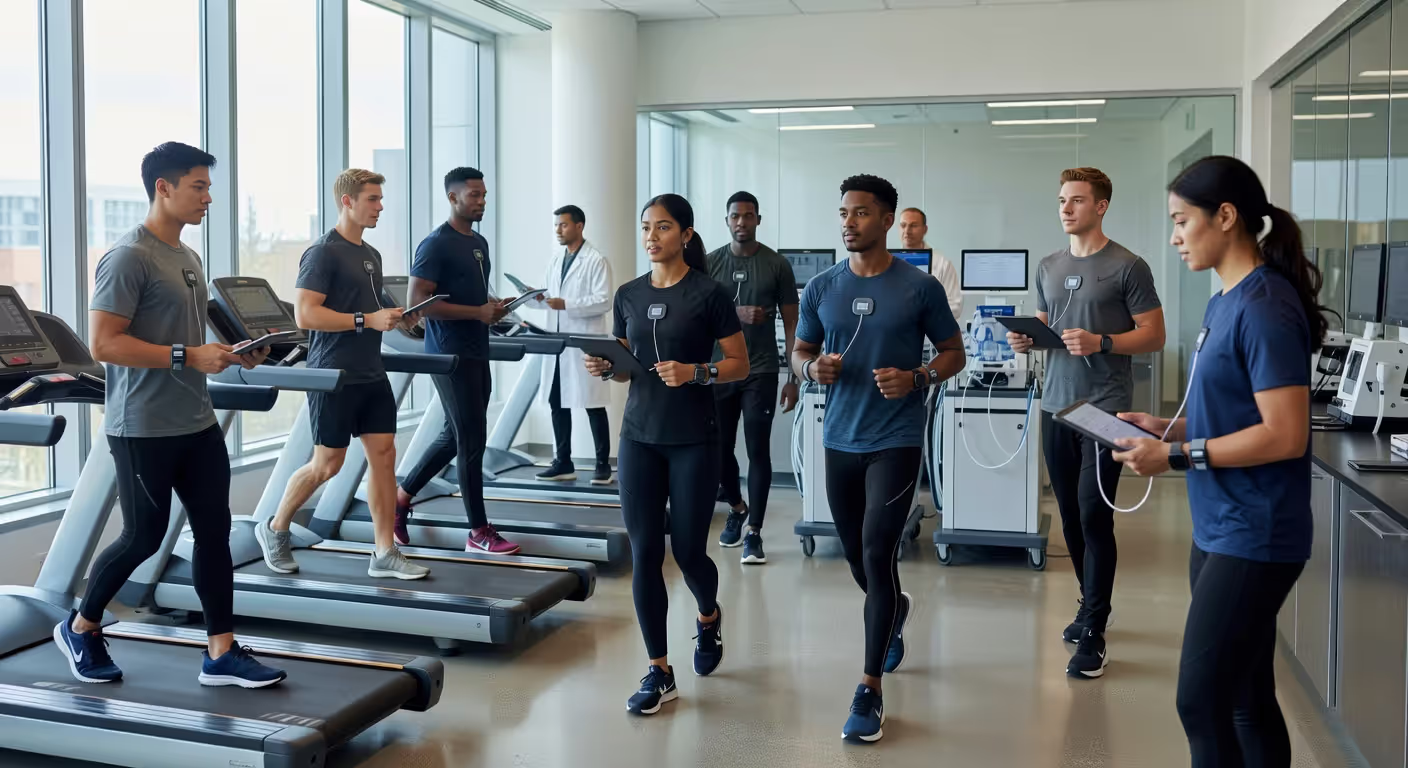
Lab work is non-negotiable. You'll spend hours learning to use metabolic carts, ECG machines, body composition analyzers, and strength testing equipment. Many programs require a capstone project or thesis, and nearly all include a clinical or internship experience—often 300 to 500 hours in a hospital, cardiac rehab center, or performance facility.
Accreditation matters here. Programs accredited by the Commission on Accreditation of Allied Health Education Programs (CAAHEP) meet national standards and prepare you for certification exams. If you're serious about working clinically, choose a CAAHEP-accredited program. Not every school has one, so this can narrow your options quickly.
Exercise physiology sits at the intersection of science and service. Our graduates don't just understand how the body works—they know how to apply that knowledge to improve lives, whether that's helping a patient return to daily activities after surgery or guiding an athlete to a personal record.
— Thompson Michael
How Exercise Physiology Differs from Related Majors
This is where students get confused. Exercise physiology, exercise science, kinesiology, sports science, biomechanics—they all sound similar, and there's overlap. But the distinctions matter when you're picking a program and planning a career.
Exercise Physiology vs. Exercise Science
Exercise science is the umbrella term. It's a broad field covering human movement, physical activity, and health. Exercise physiology is a specialization within that umbrella, focused specifically on the body's physiological responses to exercise.
Think of it this way: exercise science programs often let you choose a concentration—maybe exercise physiology, fitness management, or sports coaching. An exercise physiology degree is narrower and more clinically focused from the start. You'll take more anatomy, more pathophysiology, and more clinical coursework. If you want to work in healthcare settings or pursue graduate work in clinical exercise physiology, the dedicated degree is usually the better choice.
That said, many schools use the terms interchangeably or offer an "exercise science degree with an exercise physiology concentration." Read the curriculum carefully. Look at the course list, the clinical hours, and the accreditation status.
Exercise Physiology vs. Kinesiology
Kinesiology is the study of human movement. It's broader than exercise physiology and includes biomechanics, motor learning, sport psychology, and pedagogy (teaching physical education). A kinesiology degree prepares you for a wider range of careers—teaching, coaching, athletic training, ergonomics, and yes, exercise physiology.
The kinesiology major is more flexible but less specialized. You'll get a solid foundation in movement science, but you might not get the depth of clinical training that an exercise physiology degree provides. If you're certain you want to work in clinical settings or pursue a graduate degree in exercise physiology, the dedicated major gives you a head start. If you're still exploring or interested in coaching and teaching, kinesiology keeps more doors open.
Author: Ethan Whitlock;
Source: whitmuircommunityfarm.org
One pattern I see often: students choose kinesiology for undergrad, then specialize in exercise physiology at the graduate level. That's a solid path, especially if your undergrad school doesn't offer a standalone exercise physiology program.
Exercise Physiology vs. Sports Science and Biomechanics
Sports science is an international term (more common in the UK and Australia) that's roughly equivalent to exercise science in the US. It covers physiology, biomechanics, nutrition, psychology, and coaching—everything related to sport performance. If you see a sports science degree in the US, it's usually focused on athletic performance rather than clinical applications.
Biomechanics is even more specialized. It's the study of the mechanical principles of movement—forces, torques, joint angles, gait analysis. A biomechanics degree dives deep into physics and engineering applied to the human body. You'll learn motion capture, computer modeling, and injury mechanics. It's a great choice if you're interested in research, product design (think running shoes or prosthetics), or ergonomics. But it's not a direct path to clinical work unless you pair it with additional training.
Here's a quick comparison to clarify:
| Major | Primary Focus | Typical Career Paths | Clinical Component |
| Exercise Physiology | Body's response to exercise, clinical applications | Clinical exercise physiologist, cardiac rehab, wellness, research | Strong—often required |
| Exercise Science | Broad study of physical activity and health | Fitness, coaching, corporate wellness, grad school prep | Moderate—varies by program |
| Kinesiology | Human movement across contexts | Teaching, coaching, athletic training, research, clinical roles | Moderate—depends on concentration |
| Sports Science | Performance optimization in sport | Strength and conditioning, sport coaching, performance analysis | Minimal—performance-focused |
| Biomechanics | Mechanical analysis of movement | Research, ergonomics, product design, injury analysis | Minimal—engineering-focused |
Career Paths with an Exercise Physiology Degree
The job market for exercise physiologists is growing. The Bureau of Labor Statistics projects 11% growth from 2023 to 2033, faster than average for all occupations. Demand is driven by aging populations, rising chronic disease rates, and growing recognition of exercise as a therapeutic tool.
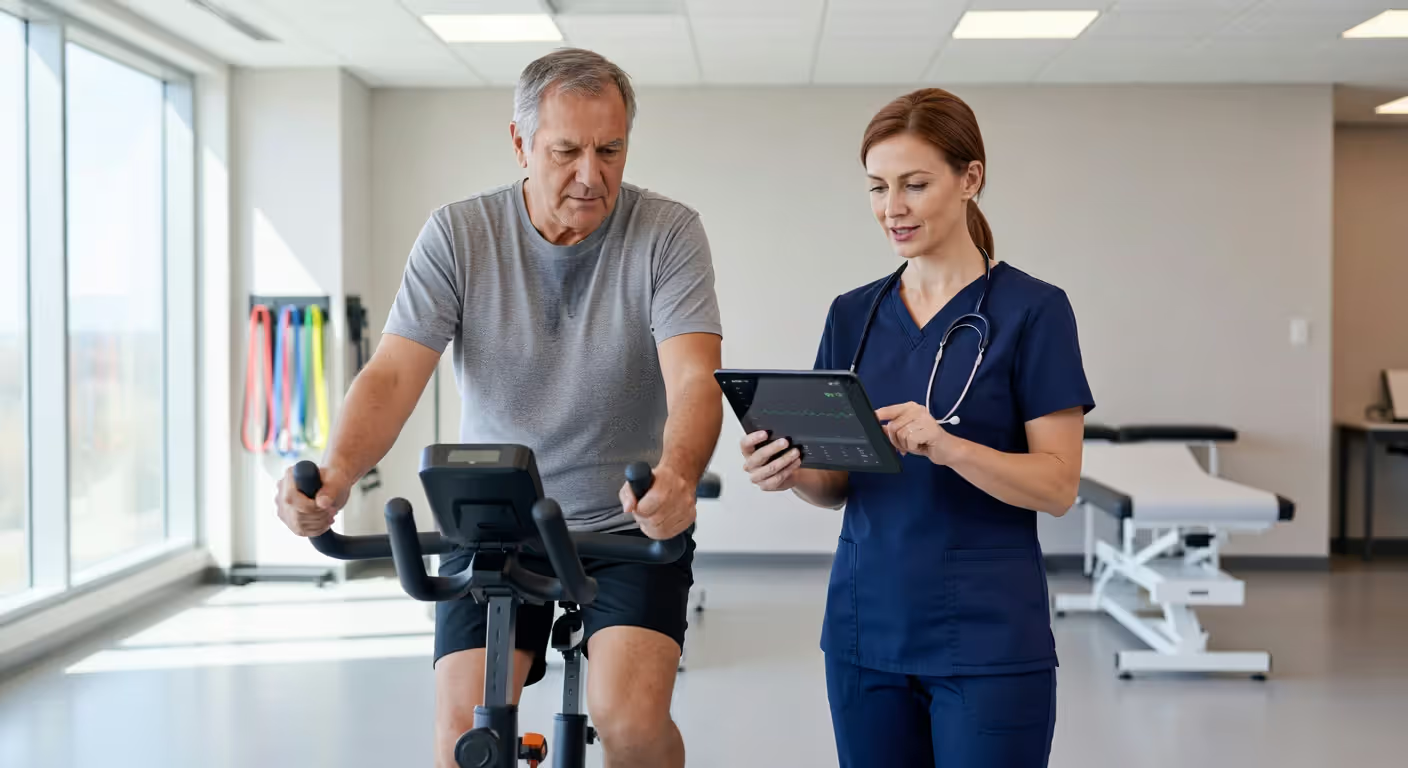
Clinical exercise physiologist is the most common career path. You'll work in hospitals, cardiac rehab centers, pulmonary rehab, or outpatient clinics, designing and supervising exercise programs for patients with heart disease, diabetes, obesity, cancer, or other conditions. You'll conduct stress tests, monitor vital signs, and collaborate with physicians and physical therapists. Median salary for clinical exercise physiologists hovers around $52,000 to $58,000, though this varies by region and setting. Experienced professionals in metropolitan areas or specialized clinics can earn $65,000 to $75,000 or more.
Cardiac rehabilitation is a subset of clinical work but deserves its own mention. It's one of the most established and respected roles for exercise physiologists. You'll work with patients recovering from heart attacks, bypass surgery, or heart failure, guiding them through structured, medically supervised exercise. Certification through the American Association of Cardiovascular and Pulmonary Rehabilitation (AACVPR) is common and often preferred by employers.
Strength and conditioning is another popular route, especially for those interested in athletic performance. You'll work with high school, collegiate, or professional athletes to improve strength, speed, power, and endurance while reducing injury risk. This path usually requires certification from the National Strength and Conditioning Association (CSCS), and salaries range widely—from $35,000 for entry-level high school positions to $70,000+ for collegiate or professional roles.
Author: Ethan Whitlock;
Source: whitmuircommunityfarm.org
Research is an option if you pursue graduate training. You might work in a university lab, a hospital research department, or a private company studying exercise interventions, metabolic health, or performance enhancement. PhD-level researchers can earn $70,000 to $100,000+, depending on the institution and funding.
Corporate wellness and health coaching are growing fields. Companies hire exercise physiologists to design wellness programs, conduct health screenings, and coach employees on physical activity and lifestyle change. It's less clinical but still applied, and it often offers better work-life balance. Salaries typically range from $45,000 to $65,000.
A common mistake: assuming you can't work clinically without a license. Licensure requirements vary by state. Some states (like Louisiana and Georgia) require a license to practice as a clinical exercise physiologist. Others don't regulate the profession at all. Even without state licensure, national certification—such as the Clinical Exercise Physiologist (CEP) credential from the American College of Sports Medicine (ACSM)—is often required or strongly preferred by employers.
How to Choose the Right Exercise Physiology Program
Start with accreditation. CAAHEP accreditation signals that a program meets rigorous standards for curriculum, faculty, and clinical training. It's not mandatory, but it's a strong indicator of quality and it's often required if you want to sit for certain certification exams. You can search for accredited programs on the CAAHEP website.
Look at clinical placement opportunities. The best programs have established relationships with hospitals, cardiac rehab centers, and sports medicine clinics. Ask about the number of clinical hours required, the variety of placements available, and the supervision model. Hands-on experience is where theory becomes practice, and it's often what gets you hired after graduation.
Faculty credentials matter more than you might think. Are the professors actively researching? Do they hold advanced certifications? Are they connected to professional organizations like ACSM or the American Society of Exercise Physiologists (ASEP)? Faculty who are engaged in the field bring current knowledge and industry connections into the classroom.
If you're planning on graduate school, ask about research opportunities. Can undergrads assist in faculty labs? Are there honors thesis options? Research experience strengthens your graduate school applications and gives you a taste of what advanced study looks like.
Location and cost are practical considerations you can't ignore. In-state tuition at a public university is almost always more affordable than private or out-of-state options. But if a program offers significantly better clinical placements, faculty mentorship, or graduate school preparation, the investment might be worth it. Run the numbers and weigh the trade-offs.
Finally, talk to current students and alumni. Most programs will connect you with someone if you ask. Find out what they wish they'd known, what surprised them, and where they ended up after graduation. That insider perspective is invaluable.
Should You Pursue a Graduate Degree in Exercise Physiology
For some careers, a bachelor's is enough. You can work as a clinical exercise physiologist, a fitness specialist, or a wellness coordinator with a four-year degree and the right certifications. But a master's or PhD opens doors that stay closed otherwise.
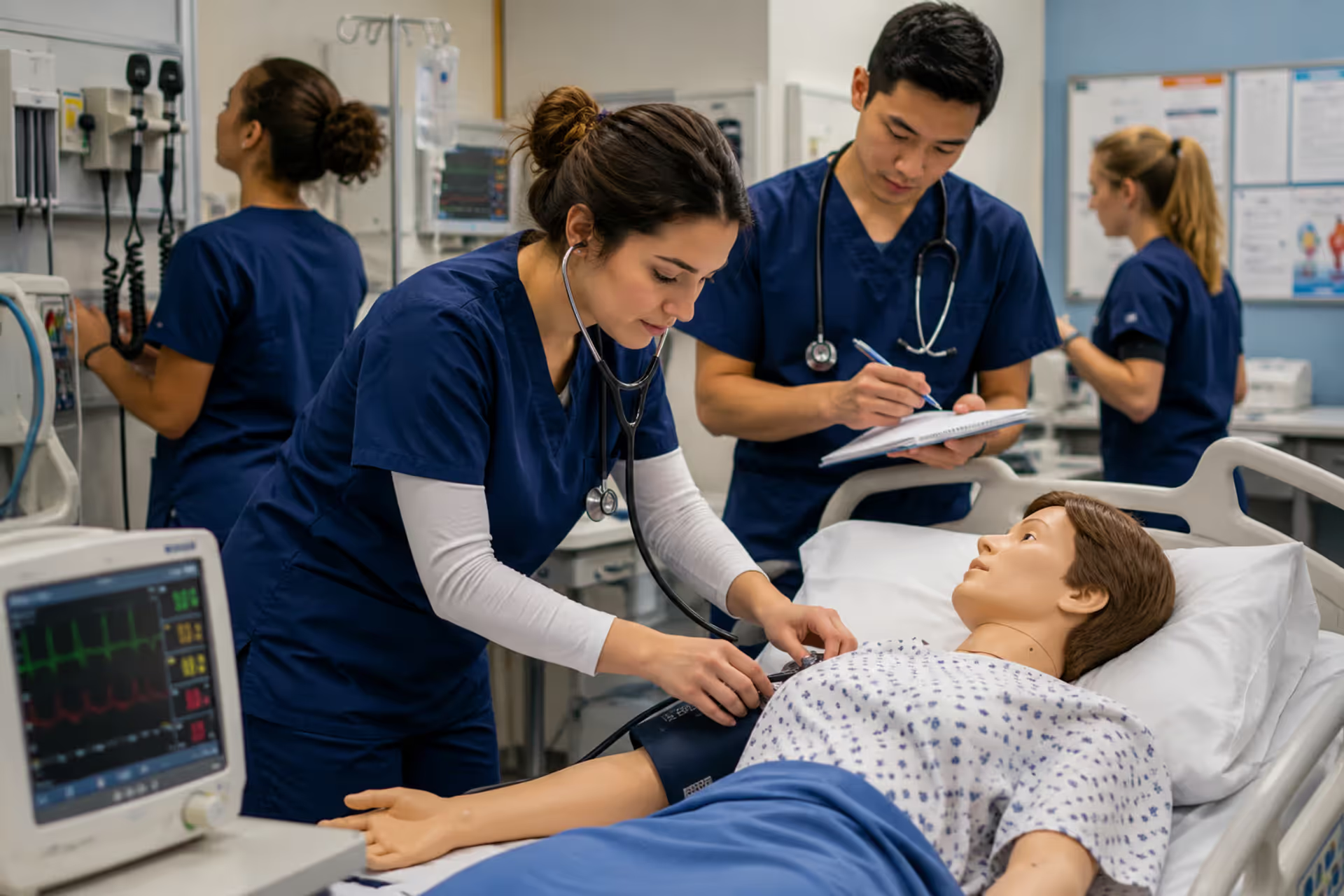
A master's degree is often required for advanced clinical roles, especially in hospitals or specialty clinics. It's also necessary if you want to teach at the community college level or move into leadership positions like program director or clinical manager. Most master's programs take two years and include a thesis or capstone project. They deepen your knowledge of exercise testing, prescription, and pathophysiology, and they often include advanced clinical rotations.
Certification requirements also play a role. The ACSM's Clinical Exercise Physiologist (CEP) credential—widely considered the gold standard—requires either a bachelor's degree from a CAAHEP-accredited program or a master's degree in the field. If your undergrad program isn't accredited, a master's becomes necessary for certification.
A PhD is for those interested in research, university teaching, or high-level consulting. It's a 4-to-6-year commitment, and it's not for everyone. But if you're curious about advancing the science of exercise, studying disease mechanisms, or training the next generation of exercise physiologists, it's the right path. Salaries for PhD-level professionals in academia or research typically start around $70,000 and can exceed $100,000 with experience.
Salary differences between bachelor's and master's holders are real but not dramatic. Expect a $5,000 to $15,000 bump with a master's, depending on the role and setting. The bigger difference is in job options and career trajectory. Graduate education gives you access to roles with more autonomy, responsibility, and long-term growth potential.
One more thing: if you're considering physical therapy, physician assistant, or medical school, an exercise physiology degree is solid preparation. You'll meet most prerequisites, gain clinical experience, and develop a strong understanding of human physiology. Just make sure your program includes the specific courses those professional programs require—organic chemistry and additional biology are common gaps.
Author: Ethan Whitlock;
Source: whitmuircommunityfarm.org
FAQ: Exercise Physiology Questions Answered
Choosing exercise physiology as a major means committing to a science-heavy, clinically focused education that prepares you to work at the intersection of health, fitness, and medicine. It's not the easiest path, but it's one of the most rewarding if you're drawn to helping people move better, recover faster, and live healthier lives. Whether you end up in a hospital, a gym, a research lab, or a sports facility, you'll have the knowledge and skills to make a real difference. And in a world where chronic disease and inactivity are epidemic, that expertise has never been more needed.
Related Stories
Read more
Read more

The content on this website is provided for general informational and educational purposes only. It is intended to explain concepts related to professional training, certifications, vocational education, online courses, and continuing education.
All information on this website, including articles, guides, and examples, is presented for general educational purposes. Outcomes may vary depending on individual choices, program selection, and personal effort.
This website does not provide professional career counseling or guarantee educational outcomes, and the information presented should not be used as a substitute for consultation with qualified educators, trainers, or career advisors.
The website and its authors are not responsible for any errors or omissions, or for any outcomes resulting from decisions made based on the information provided on this website.